
Views: 0 Author: Site Editor Publish Time: 2025-12-18 Origin: Site


Have you ever wondered how to properly discharge a battery to extend its life? Batteries power our everyday devices, from smartphones to power tools. However, improper discharge can lead to reduced battery performance. In this article, you will learn why it's essential to discharge a battery, and how to do it safely, using the best methods and tools available, like Battery Testing Equipment.
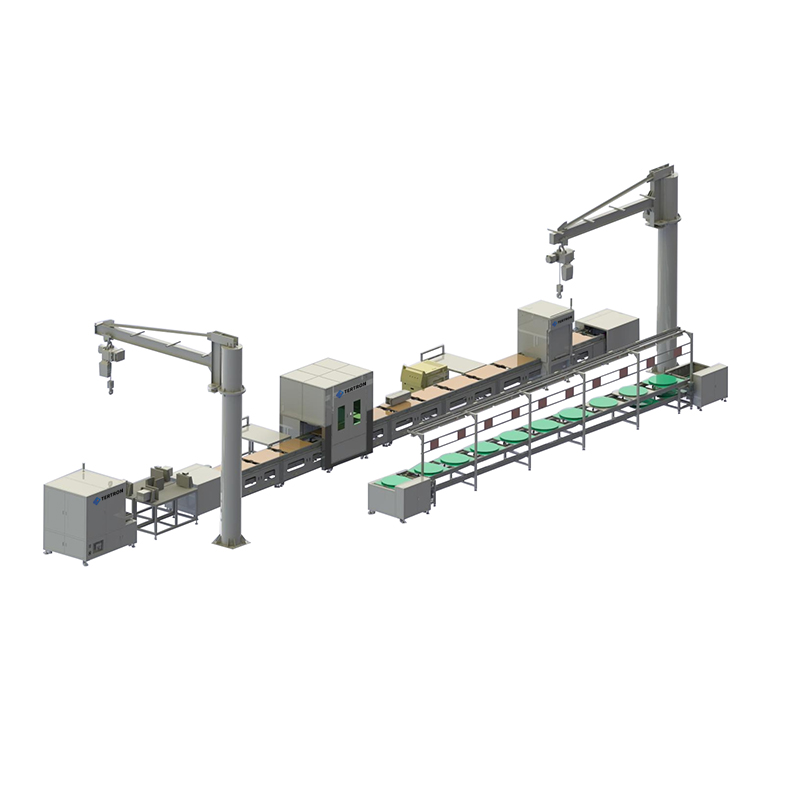
Battery discharge refers to the process where a battery releases its stored energy to power a device. Every time you use a battery-powered device, you are discharging the battery. The amount of energy a battery can release is measured in watt-hours (Wh), and its discharge is typically controlled to avoid over-discharge, which can damage the battery. Discharge can be either natural or controlled.
● Natural Discharge: This happens when a battery is left unused, and its charge decreases over time.
● Controlled Discharge: This involves intentionally discharging the battery, often to prepare it for storage or testing.
Different types of batteries require different discharge management. Here's a breakdown of the most common types of batteries and how they are typically discharged:
Battery Type | Common Uses | Discharge Considerations |
Lithium-Ion | Smartphones, laptops, electric vehicles | Partial discharges are preferred; avoid complete discharges. |
Nickel-Cadmium (NiCd) | Power tools, older devices | Needs periodic full discharge to avoid memory effect. |
Nickel-Metal Hydride (NiMH) | Power tools, cameras | Avoid over-discharging, but allows full discharge occasionally. |
Lead-Acid | Vehicles, backup power systems | Requires controlled discharges to avoid sulfation. |
Each type of battery has specific needs when it comes to discharging, so understanding your battery's chemistry is crucial.
Discharging a battery serves several important functions:
1. Maintaining Battery Health: Proper discharging can help maintain the battery’s capacity over time, reducing the risk of battery degradation.
2. Extending Lifespan: For certain types of batteries (like lithium-ion), keeping the battery's charge level between 20% and 80% can significantly prolong its life.
3. Preventing Overcharging and Undercharging: Discharging a battery can help avoid issues like overcharging, which may overheat the battery and undercharging, which can lead to lower performance.
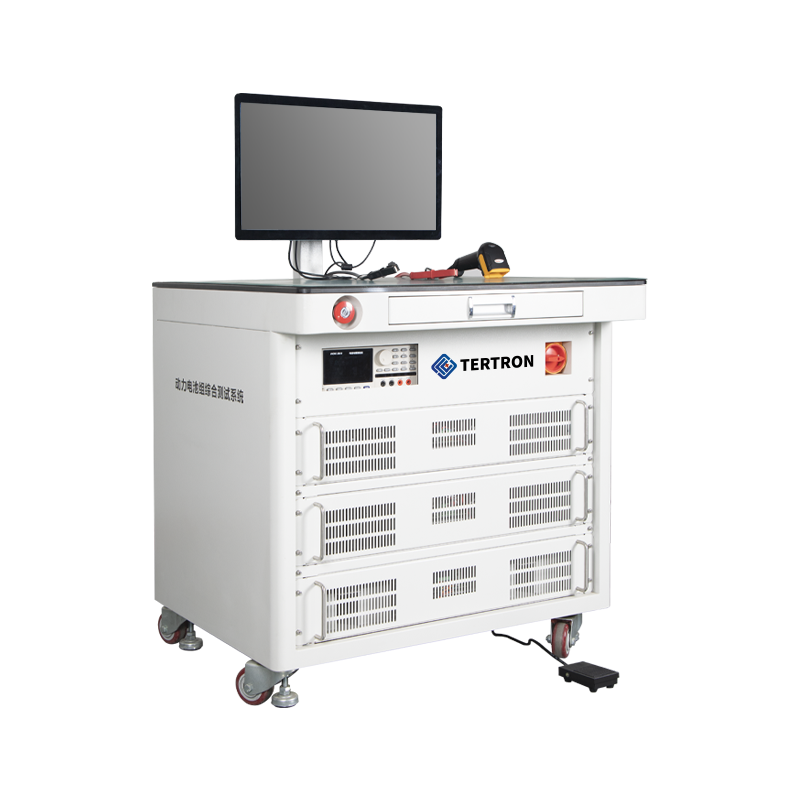
Without proper discharge management, you may experience faster wear and tear on your batteries. For instance, some batteries like lithium-ion do not perform well if they are continuously kept at full charge. By discharging the battery periodically, you help maintain its optimal charge cycle and ensure more reliable performance. To ensure accurate discharge processes and extend battery life, using professional equipment like Battery Testing Equipment from TERTRON can provide the needed precision.
To safely discharge a battery while monitoring its voltage and capacity, a battery tester or load tester is often used. These tools are designed to discharge the battery under controlled conditions and provide real-time feedback on the battery's performance.
● Battery Tester: Measures the battery's voltage and health during discharge. It helps ensure that the battery is not over-discharged.
● Load Tester: Discharges the battery by applying a load that simulates the battery’s normal use. It helps to measure how the battery performs under stress.
By using these tools, you can discharge your battery safely, avoiding potential damage and ensuring that the battery maintains its capacity for a longer period. At TERTRON, we specialize in providing Battery Testing Equipment designed to offer the precision required for optimal battery care.
If you don't have a tester, you can discharge a battery manually by using the device it powers. For example, if you want to discharge a smartphone battery, use it until it powers off due to low charge. However, it's important to remember that deep discharges are generally not recommended for lithium-ion batteries as they can cause permanent damage over time.
Important precautions:
● Avoid using the device for long periods after it begins to show low power, as running it to 0% too frequently can degrade battery performance.
● Make sure the battery doesn't overheat while discharging, as this can cause internal damage.
There are also external battery draining devices available that are designed specifically for discharging batteries to a safe level for testing or storage. These tools provide a controlled environment for discharging and can be especially useful for lead-acid batteries or for when precise discharge levels are necessary.
At TERTRON, we offer Battery Capacity Grading Machines that can help you discharge your batteries to specific levels, ensuring optimal performance and safety.
If your battery isn't discharging as expected, it could be due to various factors:
● Internal short circuits or damaged cells can prevent proper discharge.
● Improper connections may disrupt the flow of current during the discharge process.
To diagnose these issues, use a multimeter or a battery tester to check the voltage and continuity of the battery.
If a battery discharges too quickly or too slowly, it might be due to a few issues:
● The battery health may have degraded over time, causing an irregular discharge rate.
● Environmental factors, such as temperature, can also impact how a battery discharges.
Battery calibration is crucial for ensuring that your device’s battery meter accurately reflects the actual battery charge. Calibration can also help the battery discharge more consistently. Over time, rechargeable batteries may lose their ability to accurately measure charge, and recalibrating them can restore more consistent performance.
Proper battery discharge practices, such as avoiding deep discharges and maintaining a moderate charge cycle, can extend the life of the battery. For lithium-ion batteries, partial discharges (from 80% to 20%) are ideal for preserving battery health.
Discharging your battery periodically helps prevent overcharging, which can cause overheating and premature wear. Similarly, avoiding undercharging helps ensure that the battery maintains sufficient energy levels for consistent performance.
A well-managed discharge cycle can optimize the performance of your devices. By ensuring that the battery stays within its optimal charge range, you reduce the risk of device slowdown due to battery issues.
Proper battery discharge techniques are key to maintaining battery health, preventing damage, and optimizing device performance. By understanding how to discharge a battery correctly, you can significantly extend its lifespan and ensure that your devices perform at their best. Regularly using tools like Battery Testing Equipment and Battery Capacity Grading Machines from TERTRON helps maintain the accuracy of the discharge process and avoids any risk of battery damage.
A: Discharging a battery means releasing its stored energy to power a device. It’s a crucial process for managing battery health and ensuring long-term performance.
A: To discharge a battery safely, use appropriate tools like a battery tester or load tester. Avoid deep discharges that can damage the battery, and ensure the battery doesn't overheat.
A: Properly discharging a battery helps prevent overcharging and undercharging, extending its lifespan. It ensures that the battery remains effective in powering devices.
A: Yes, deep discharges can damage a battery, especially lithium-ion types. It’s best to keep the battery charge between 20% and 80%


