Views: 0 Author: Site Editor Publish Time: 2025-12-15 Origin: Site


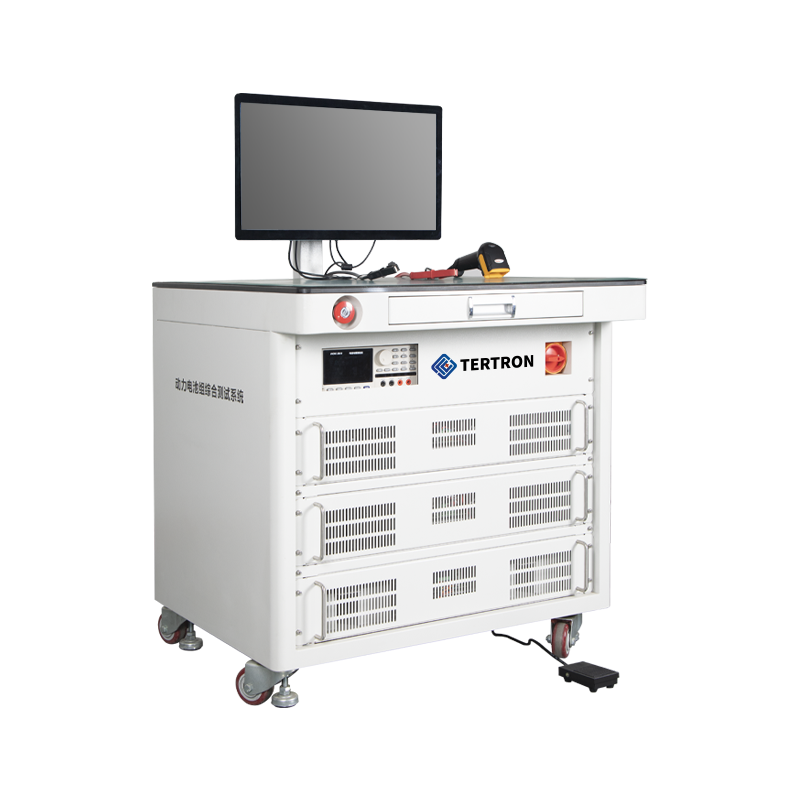
Circuit breakers are crucial for protecting your electrical system. Over time, they may malfunction, causing tripping or failure to switch off. Testing a breaker with a multimeter helps identify issues with its performance. In this guide, we will walk you through the process of using a multimeter, including the role of battery-powered tools like the Battery Test System and Battery EOL Tester, to test a breaker effectively.
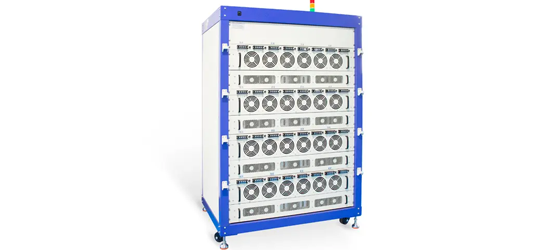
A circuit breaker is a safety device designed to stop the flow of electricity when a fault is detected. It protects wiring, appliances, and even prevents fires by disconnecting the circuit. Circuit breakers come in different types, such as thermal and magnetic.
Breaker Type | Function | Application |
Thermal Breaker | Responds to overheating of the circuit. | Common in home appliances and lighting circuits. |
Magnetic Breaker | Reacts to excess current or short circuits. | Ideal for high-current industrial applications. |
These devices are essential in maintaining electrical system safety.
A multimeter is an indispensable tool for diagnosing electrical issues, including problems in circuit breakers. It measures voltage, current, and resistance, providing critical data for troubleshooting. Battery-powered multimeters are particularly useful because of their portability, allowing you to perform tests safely and efficiently, even in hard-to-reach places. When used correctly, a multimeter can help determine whether a breaker is functioning properly or needs replacing.
Testing your circuit breaker with a multimeter can help you identify several common problems:
Problem | Description | Multimeter Test |
Tripped Breakers | Frequent tripping can signal faulty wiring or overloads. | Check for voltage drop or continuity. |
No Current Flow | The breaker may fail to pass voltage if it's faulty. | Measure voltage across breaker terminals. |
Overheating | Overheating may cause permanent damage to the breaker. | Check if breaker trips and test for continuity. |
Regularly testing your circuit breakers ensures they function correctly. This reduces the risk of electrical hazards, improves overall system efficiency, and extends the lifespan of your electrical system. By using a multimeter, you can quickly identify potential issues and address them before they lead to serious problems.
Safety is the top priority when working with electrical components. Before testing the breaker:
Safety Measure | Description |
Turn off the power | Ensure the circuit is de-energized. |
Wear insulated gloves | Protect yourself from electrical shock. |
Wear safety glasses | Prevent injury from potential debris. |
Verify with a voltage tester | Double-check the circuit is safe to test. |
This will help prevent accidents and ensure that the testing process is safe.
Ensure your multimeter is set to the appropriate function before testing:
Multimeter Setting | Purpose |
Used for testing standard home circuits. | |
Used for testing systems with DC circuits. | |
Resistance/Continuity | For testing if the breaker allows current flow. |
Properly setting the multimeter ensures you get accurate readings.
With the multimeter in continuity mode, use the probes to check the breaker’s terminals. Here's how:
Step | Action |
Step 1 | Place one probe on the incoming terminal. |
Step 2 | Place the other probe on the outgoing terminal. |
Step 3 | Look for a reading of 0 (continuity) or no reading (fault). |
Testing continuity checks if the breaker is physically intact and allowing power through.
To ensure the breaker is allowing voltage to pass, measure the voltage across the breaker terminals:
Step | Action |
Step 1 | Set your multimeter to AC voltage. |
Step 2 | Measure voltage at both terminals of the breaker. |
Step 3 | A healthy breaker should show the same voltage as the supply. |
This test checks the breaker’s ability to let power pass when it is engaged.
The breaker is designed to cut off the current when it detects a fault, so it's essential to test this function:
Step | Action |
Step 1 | Manually trip the breaker to simulate a fault. |
Step 2 | Use the multimeter to check if the voltage drops to zero. |
Step 3 | If voltage drops, the breaker is functioning correctly. |
Testing the tripping mechanism ensures that the breaker can stop the current in an overload situation.

If the breaker doesn’t trip when it should, it could be stuck, worn out, or defective. Testing the continuity and voltage can help determine whether the breaker is functioning properly.
If the breaker trips frequently, it might not be the breaker’s fault. Overloads, short circuits, or ground faults in the circuit may be the cause. Check the wiring for faults before replacing the breaker.
If the breaker won’t stay in the “on” position, it could be defective. A multimeter test can confirm whether the breaker is allowing voltage through when it should, helping you decide if it needs replacing.
A multimeter offers a quick and reliable way to test your circuit breakers. It provides clear readings that are more accurate than visual inspections alone, saving you time and effort.
Battery-powered multimeters are highly portable, allowing you to perform tests in various locations without needing an external power source. Their convenience and ease of use make them an ideal tool for fieldwork or DIY electrical troubleshooting.
Testing a circuit breaker with a multimeter is an easy and effective way to ensure your electrical system is safe and efficient. By understanding how to use a multimeter, you can troubleshoot breaker issues and ensure the reliability of your electrical components. Always follow safety guidelines to avoid accidents and keep your home or business’s electrical system in top condition.
At TERTRON , we specialize in providing expert electrical testing services and high-quality battery-powered diagnostic tools. Contact us today for all your electrical troubleshooting needs.
A: A circuit breaker is a safety device that prevents electrical overloads. Testing it with a multimeter helps identify issues like frequent tripping or failure to switch off, ensuring proper functionality. Battery-powered multimeters provide the convenience of testing without external power sources.
A: To test a circuit breaker with a multimeter, set the multimeter to AC voltage, measure across the breaker terminals, and check for continuity. If the breaker shows no voltage or continuity, it might be faulty. Battery-powered multimeters are portable and ideal for this task.
A: Regular testing of a circuit breaker helps ensure it’s functioning properly, preventing electrical hazards. A multimeter, especially a battery-powered one, allows you to easily diagnose issues like no current flow, overheating, or frequent tripping.
A: It's recommended to test your circuit breaker at least once a year or when you notice issues like frequent tripping. Battery-powered multimeters make it easy to conduct these tests regularly to maintain electrical safety.