Views: 0 Author: Site Editor Publish Time: 2025-10-25 Origin: Site


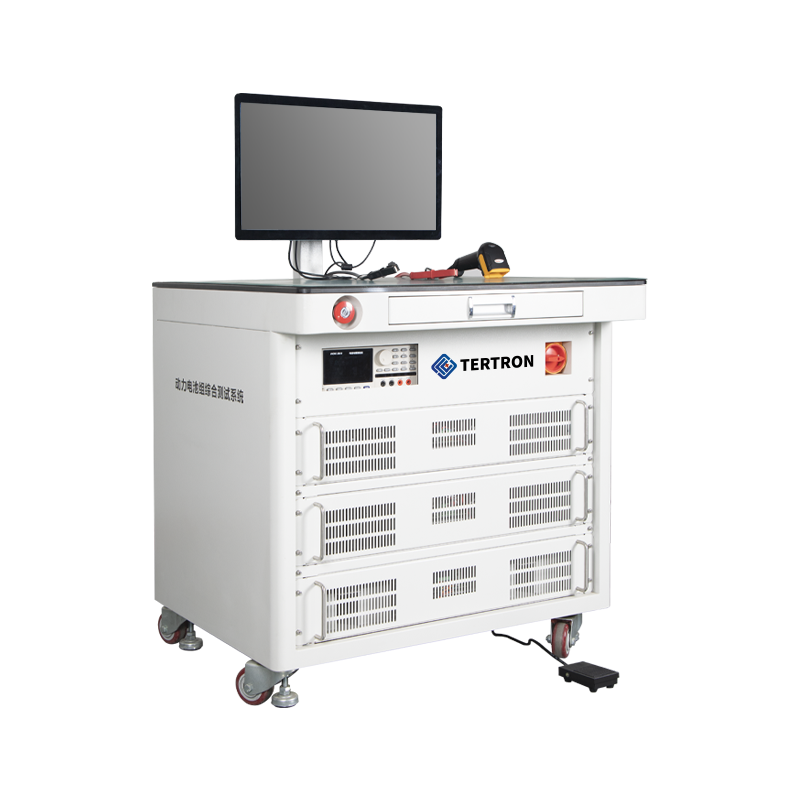
Battery aging machines are essential tools in modern battery manufacturing, designed to evaluate performance, lifespan, and reliability under controlled charge and discharge cycles. By simulating real-world usage, these machines help manufacturers identify potential weaknesses, optimize designs, and ensure consistent quality before batteries reach the market.
Recent innovations in battery materials, including solid-state electrolytes, high-silicon anodes, and high-energy-density cathodes, are transforming the performance capabilities of modern batteries. These advanced materials offer faster charge/discharge rates, higher energy densities, and longer cycle life, but they also introduce new challenges in testing and evaluation.
As battery chemistries and structures evolve, traditional aging machines may no longer provide the precision, speed, or adaptability required to accurately assess performance. High-accuracy voltage, current, and temperature control, modular configurations for various cell formats, and intelligent monitoring systems have become essential. Updating battery aging machine requirements ensures that manufacturers can reliably test next-generation batteries, maintain safety standards, and fully leverage the advantages of new materials.
Advancements in battery materials, such as solid-state electrolytes, high-silicon anodes, and high-nickel cathodes, have significantly improved battery performance. However, these innovations also alter the way batteries age, placing new demands on battery aging machines to ensure accurate testing and reliable results.
Modern battery materials can support rapid charging and high-rate discharging, which means batteries are exposed to more intense stress cycles.
Requirement: Battery aging machines must handle accelerated cycling without error, maintaining precise control over current and voltage.
Impact: Ensures reliable assessment of performance under high-demand conditions, reflecting real-world usage scenarios.
New chemistries can generate more heat and exhibit variable internal resistance during operation.
Requirement: Precise temperature management and thermal monitoring systems are essential to prevent overheating or inaccurate results.
Impact: Protects sensitive cells and improves the accuracy of degradation analysis.
High-energy-density batteries promise longer operational life but require extended testing periods to accurately simulate aging.
Requirement: Machines must offer long-term monitoring capabilities with stable performance over thousands of cycles.
Impact: Enables manufacturers to predict lifespan and identify gradual capacity loss more reliably.
Modern battery chemistries are more sensitive to overcharging, temperature fluctuations, and mechanical stress.
Requirement: Aging machines must include robust protection systems and real-time monitoring to detect anomalies or unsafe conditions.
Impact: Prevents potential damage during testing and ensures safety while generating high-quality, actionable data.
By adapting battery aging machines to these new material characteristics, manufacturers can ensure accurate testing, improve safety, and optimize battery designs for next-generation applications such as electric vehicles, renewable energy storage, and portable electronics.
With the rapid development of advanced battery materials—such as solid-state electrolytes, high-silicon anodes, and high-nickel cathodes—the requirements for modern battery aging machines have evolved. To accurately test and simulate aging in these innovative batteries, machines must incorporate high-precision controls, robust safety features, and advanced data capabilities.
Modern batteries require precise simulation of complex charge and discharge patterns.
Requirement: Machines must accurately regulate current, voltage, and timing to replicate real-world operating conditions.
Impact: Ensures reliable measurement of battery performance, capacity retention, and degradation under various usage scenarios.
New materials often have unique thermal characteristics and increased sensitivity to temperature fluctuations.
Requirement: Integrated temperature sensors, active cooling systems, and environmental controls are necessary to maintain stable operating conditions.
Impact: Protects battery cells from overheating or thermal stress while delivering consistent, reproducible test results.
Enhanced energy density and faster charge/discharge rates demand adaptable testing cycles.
Requirement: Support for extended cycle counts, variable currents, and customized voltage profiles to match specific battery chemistries.
Impact: Enables manufacturers to conduct long-term aging studies, simulate real-world scenarios, and optimize battery design.
Advanced batteries are more sensitive to over-voltage, over-current, and extreme temperatures.
Requirement: Robust protection mechanisms tailored to modern chemistries must be integrated into aging machines.
Impact: Minimizes the risk of battery damage during testing while ensuring operator safety.
High-performance batteries generate vast amounts of test data.
Requirement: Real-time monitoring, high-resolution data logging, and compatibility with AI and Big Data tools for predictive analysis.
Impact: Provides actionable insights into battery degradation trends, improves test efficiency, and guides the development of next-generation batteries.
By meeting these updated requirements, modern battery aging machines can deliver precise, safe, and insightful testing, supporting manufacturers and researchers in developing high-performance batteries for electric vehicles, renewable energy storage, and consumer electronics.
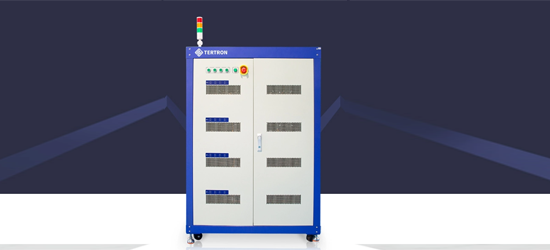
Modern battery aging machines play a pivotal role in evaluating the performance, durability, and safety of batteries across diverse industries. With material innovations driving higher energy densities, faster charge/discharge rates, and increased sensitivity, precise aging tests are essential for ensuring reliable and long-lasting battery operation.
Purpose: Testing next-generation EV batteries for mileage, safety, and lifespan under real-world conditions.
Impact: Ensures that high-capacity batteries can handle repeated charge/discharge cycles, extreme temperatures, and long-term usage without compromising performance.
Benefit: Supports manufacturers in developing safer and more efficient electric vehicles with extended battery life.
Purpose: Evaluating the performance of high-energy-density batteries used in smartphones, laptops, tablets, and wearable devices.
Impact: Provides insights into battery degradation, internal resistance changes, and capacity retention over time.
Benefit: Helps design batteries that deliver longer runtimes, faster charging, and reliable operation in portable devices.
Purpose: Ensuring durability and efficiency of batteries used in solar, wind, and hybrid energy systems.
Impact: Simulates long-term energy storage cycles to assess stability and degradation patterns under fluctuating load conditions.
Benefit: Enhances the reliability of renewable energy storage solutions, optimizing energy output and reducing operational costs.
Purpose: Supporting UPS systems, backup power solutions, and industrial machinery that rely on advanced battery chemistries.
Impact: Monitors battery performance under heavy-duty cycling, high currents, and harsh environmental conditions.
Benefit: Guarantees continuous power supply, minimizes downtime, and ensures safety for critical industrial operations.
By applying battery aging machines across these industries, manufacturers and researchers can accurately predict battery life, optimize designs for new materials, and ensure reliable performance in demanding applications. These machines are essential for advancing innovation, safety, and efficiency in today’s battery-powered technologies.
With the rapid development of advanced battery materials, modern battery aging machines have evolved to meet new testing requirements. These updated systems offer multiple benefits that support the development, safety, and reliability of next-generation batteries.
Purpose: Advanced machines provide precise simulation of charge/discharge cycles, capturing subtle performance changes in high-energy-density materials.
Impact: Enables accurate prediction of battery lifespan, capacity retention, and degradation patterns over time.
Benefit: Manufacturers can design batteries that meet real-world performance expectations and avoid early failure.
Purpose: Monitors critical parameters such as temperature, internal resistance, and voltage fluctuations for sensitive materials.
Impact: Identifies cells that are prone to overcharging, thermal stress, or mechanical failure.
Benefit: Reduces safety risks, preventing potential accidents and ensuring regulatory compliance.
Purpose: Provides detailed insights into how different materials behave under long-term cycling.
Impact: Supports iterative improvements in electrode composition, electrolytes, and battery architecture.
Benefit: Results in higher performance, longer-lasting batteries with improved efficiency and reliability.
Purpose: Facilitates experimental testing for emerging chemistries, solid-state batteries, and hybrid energy storage systems.
Impact: Generates high-resolution data for analysis, modeling, and AI-driven predictive insights.
Benefit: Accelerates innovation, helping R&D teams develop the next generation of energy storage solutions with confidence.
By integrating updated battery aging machines into testing workflows, industries can stay ahead in the development of advanced battery technologies, ensuring safer, longer-lasting, and more efficient energy storage solutions.
Material innovations in batteries, such as solid-state electrolytes, silicon anodes, and advanced cathodes, are transforming performance and longevity expectations. These advancements demand battery aging machines with higher precision, adaptable cycle programming, and enhanced safety features to accurately evaluate new chemistries. Modern aging systems must provide reliable data, protect sensitive cells, and accommodate diverse testing conditions to ensure optimal battery design and performance. For businesses and researchers seeking high-quality, material-ready battery aging machines, consulting professional suppliers like Guangzhou TERTRON New Energy Technology Co., Ltd. is highly recommended. Their expertise ensures access to advanced testing solutions that support innovation, improve safety, and deliver actionable insights for next-generation energy storage technologies.