Views: 0 Author: Site Editor Publish Time: 2025-11-04 Origin: Site


Battery aging is a natural process that gradually reduces a battery’s performance, capacity, and efficiency over time. In battery manufacturing, understanding how and why batteries age is crucial for ensuring product reliability, safety, and a long operational lifespan. Manufacturers need to predict battery behavior under real-world conditions to prevent early failures, enhance energy efficiency, and maintain consumer trust.
Battery aging can manifest through reduced charge capacity, increased internal resistance, voltage instability, or potential safety risks if left unchecked. Early detection and analysis of these aging patterns help manufacturers optimize battery design, materials, and production processes, ultimately improving durability and performance.
To accurately assess battery longevity, battery aging machines—also known as Battery Life Cycle Testers or Battery Aging Testers—are indispensable. These machines simulate real-world conditions by subjecting batteries to repetitive charge and discharge cycles under controlled environments. By using high-precision battery aging machines, manufacturers and researchers can evaluate long-term performance, identify potential failure points, and ensure that batteries meet rigorous quality and safety standards before reaching the market.
Battery aging refers to the gradual decline in a battery’s capacity, efficiency, and overall performance over time. It is a natural process that occurs as batteries undergo chemical and physical changes during storage, usage, and charging cycles. Understanding battery aging is crucial for manufacturers, researchers, and users to ensure safety, reliability, and optimal lifespan of energy storage devices.
Chemical Reactions: Over time, internal chemical reactions can reduce the battery’s active materials, leading to lower capacity and efficiency. Electrolyte decomposition or formation of solid-electrolyte interphase (SEI) layers are common contributors.
Repeated Charge and Discharge Cycles: Frequent cycling accelerates wear, as each cycle gradually diminishes the battery’s ability to hold and deliver energy efficiently.
Temperature Effects: High temperatures can speed up chemical degradation, while extremely low temperatures can limit performance and increase internal resistance. Maintaining controlled operating conditions is essential.
Storage Conditions: Prolonged storage at full charge or in unfavorable environmental conditions can also accelerate aging, affecting long-term performance.
Calendar Aging (Time-Based Aging): This occurs naturally over time, even when a battery is not in use. Chemical degradation and material changes slowly reduce capacity.
Cycle Aging (Usage-Based Aging): This results from actual battery use, particularly from repeated charge and discharge cycles. High-demand applications or deep discharges typically accelerate cycle aging.
By understanding these aging mechanisms, manufacturers can better design batteries, optimize materials, and plan effective testing protocols. Using battery aging machines allows precise simulation of both calendar and cycle aging, helping predict performance under real-world conditions and ensuring reliable, long-lasting energy solutions.
Battery aging plays a pivotal role in the manufacturing process, ensuring that each battery meets stringent performance, safety, and durability standards before reaching end-users. By simulating the natural wear and tear of batteries, manufacturers can evaluate long-term reliability, identify potential defects, and optimize product quality.
Ensuring Long-Term Reliability: By subjecting batteries to controlled aging tests, manufacturers can predict how they will perform over their expected lifespan. This process ensures that consumers receive batteries capable of maintaining consistent energy output without premature failure.
Identifying Potential Defects: Battery aging tests help detect weaknesses in cells, such as capacity loss, internal resistance increases, or thermal instability. Early identification allows manufacturers to refine production techniques, improve material selection, and prevent defective batteries from reaching the market.
Critical for High-Demand Applications: In industries where battery performance is crucial—such as electric vehicles, renewable energy storage systems, and portable electronics—aging tests are indispensable. They provide assurance that batteries can handle repeated charge and discharge cycles, maintain efficiency under high loads, and operate safely under varying environmental conditions.
Optimizing Design and Materials: Insights gained from battery aging tests inform design improvements and material innovations, enabling manufacturers to develop batteries with longer life, better thermal stability, and enhanced safety features.
By integrating battery aging machines into the production line, manufacturers can simulate real-world conditions, accelerate aging cycles, and collect precise data to ensure high-quality, reliable, and durable batteries for diverse applications.
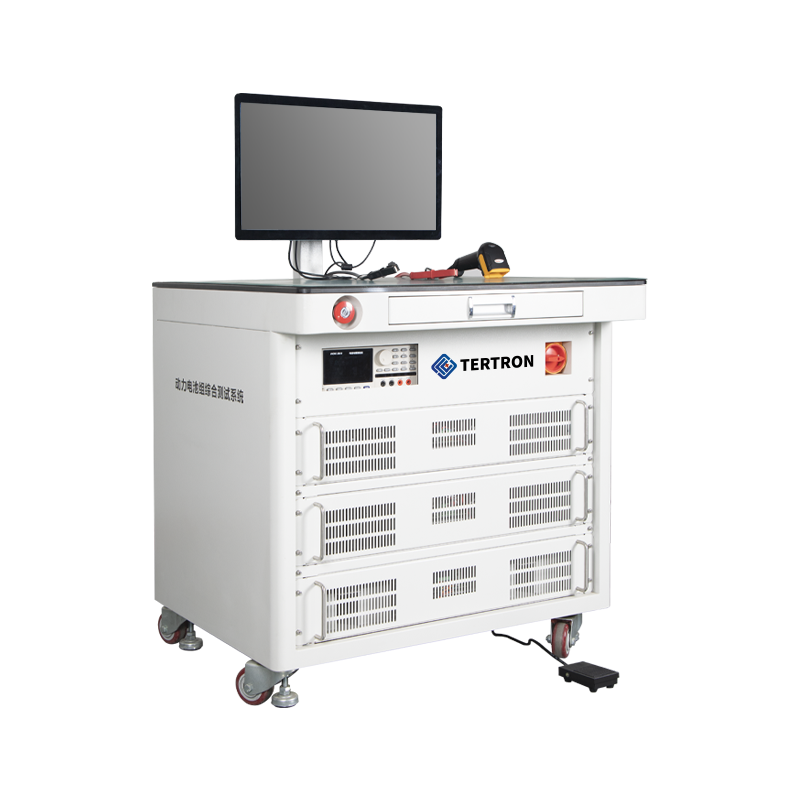
Battery aging machines, also known as battery life cycle testers or battery aging testers, are advanced tools designed to replicate the natural aging process of batteries in a controlled and accelerated environment. These machines allow manufacturers and researchers to evaluate performance, longevity, and reliability before batteries are deployed in real-world applications.
Batteries are subjected to continuous charge and discharge cycles that mimic real-life usage patterns.
This process accelerates aging, allowing manufacturers to observe long-term performance in a shorter timeframe.
It helps detect early signs of capacity loss, voltage instability, or thermal issues.
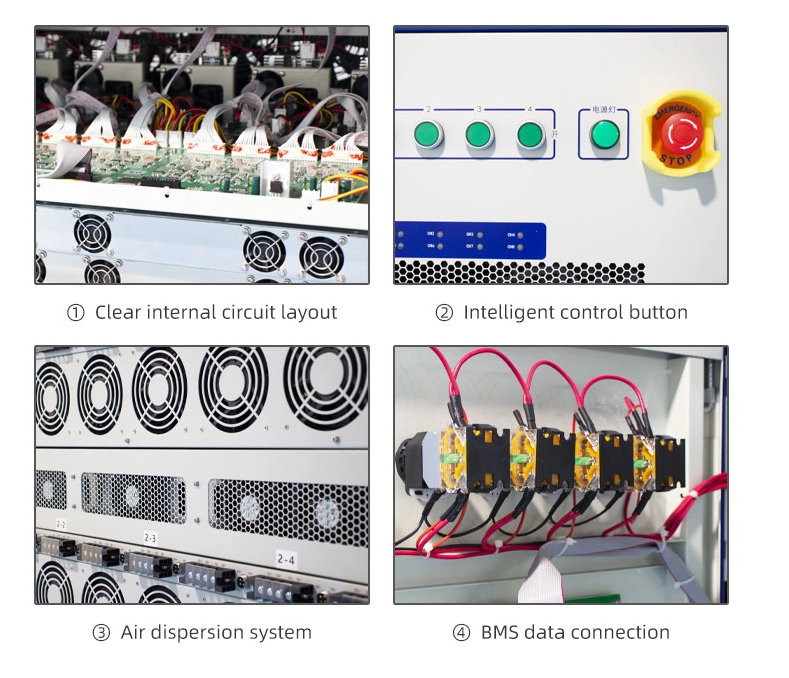
Modern battery aging machines allow precise control over current, voltage, temperature, and cycle speed.
Adjustable parameters enable simulation of different operating conditions, from everyday usage to extreme environments.
This flexibility ensures that batteries are tested for all potential scenarios, from high-demand applications to low-power devices.
During testing, key metrics such as capacity retention, internal resistance, voltage profile, and temperature variations are continuously recorded.
Real-time data allows manufacturers to identify degradation trends, performance bottlenecks, and potential safety risks.
Advanced machines can store and analyze large datasets, providing actionable insights for product improvement.
Accuracy is critical in battery testing, as even minor deviations can lead to incorrect assessments of battery health.
High-precision battery aging machines ensure that all parameters are tightly controlled, yielding reliable and repeatable results.
This precision supports quality assurance, regulatory compliance, and long-term reliability of batteries used in critical applications like electric vehicles, energy storage, and portable electronics.
By leveraging battery aging machines, manufacturers can simulate years of battery usage in a fraction of the time, detect weaknesses early, and optimize designs for durability, efficiency, and safety.
Battery aging machines play a crucial role in modern battery manufacturing by providing detailed insights into battery performance and longevity. Their precise testing capabilities offer several key benefits that enhance product quality, safety, and innovation.
By simulating repetitive charge and discharge cycles, battery aging machines allow manufacturers to forecast how batteries will perform over time.
Data collected during testing helps predict capacity loss, voltage fluctuations, and efficiency reductions under various conditions.
This foresight enables companies to set realistic product warranties and optimize maintenance schedules.
Early detection of cells prone to failure prevents unsafe batteries from reaching the market.
Testing under controlled conditions can identify potential thermal instability, short circuits, or internal resistance issues.
Ensuring battery safety is especially critical for high-demand applications like electric vehicles, medical devices, and energy storage systems.
Insights gained from battery aging tests guide engineers in improving electrode materials, electrolyte compositions, and cell structures.
This results in longer-lasting batteries with higher efficiency, better energy density, and reduced degradation rates.
Continuous design optimization helps manufacturers stay competitive in a rapidly evolving battery market.
Battery aging machines provide valuable data for developing innovative chemistries and advanced technologies.
Researchers can evaluate new materials under realistic aging conditions, accelerating the development of safer, more durable, and higher-capacity batteries.
This contributes to advancements in renewable energy storage, electric mobility, and consumer electronics.
By leveraging battery aging machines, manufacturers and researchers gain a comprehensive understanding of battery performance, ensuring safer, longer-lasting, and higher-quality products that meet the demands of modern applications.
Battery aging machines are indispensable across a wide range of industries, ensuring that batteries meet strict performance, safety, and durability standards.
Electric Vehicles (EVs):
Simulate real-world driving conditions to verify battery lifespan and range.
Ensure safety and compliance with regulatory standards for high-voltage automotive batteries.
Consumer Electronics:
Test batteries used in smartphones, laptops, tablets, and other portable devices.
Identify potential degradation issues that could affect device longevity or user safety.
Renewable Energy Storage:
Evaluate batteries in solar, wind, and hybrid energy systems.
Ensure consistent energy output and long-term reliability for off-grid and grid-tied storage solutions.
Industrial Equipment:
Monitor performance of batteries in UPS systems, backup power solutions, and heavy machinery.
Prevent unexpected downtime and maintain operational stability in industrial environments.
Choosing the right battery aging machine is essential for accurate testing and meaningful insights. Key features include:
High Precision and Stability:
Accurate control of voltage, current, and temperature ensures reliable test results.
Programmable Charge/Discharge Cycles with Data Logging:
Ability to customize cycles and collect detailed performance data over time.
Enables comparison of different battery types and designs under consistent conditions.
Safety Mechanisms:
Over-voltage, over-current, and temperature protection to safeguard both batteries and equipment.
Compatibility with Various Battery Types:
Supports Li-ion, LiFePO4, NiMH, and other chemistries.
Flexibility allows manufacturers to test a wide range of products efficiently.
Battery aging machines are vital tools in modern battery manufacturing, providing precise insights into performance, reliability, and lifespan. They help manufacturers and researchers identify potential weaknesses, improve battery designs, and ensure product safety across industries—from electric vehicles and consumer electronics to renewable energy storage and industrial systems.
For businesses seeking high-quality, reliable battery aging machines and testing solutions, consulting experienced manufacturers such as Guangzhou TERTRON New Energy Technology Co., Ltd. is highly recommended. Their expertise ensures accurate testing, advanced features, and equipment tailored to diverse industrial and research applications.